blogimage5

Sustainable Engineering: Building for the Future

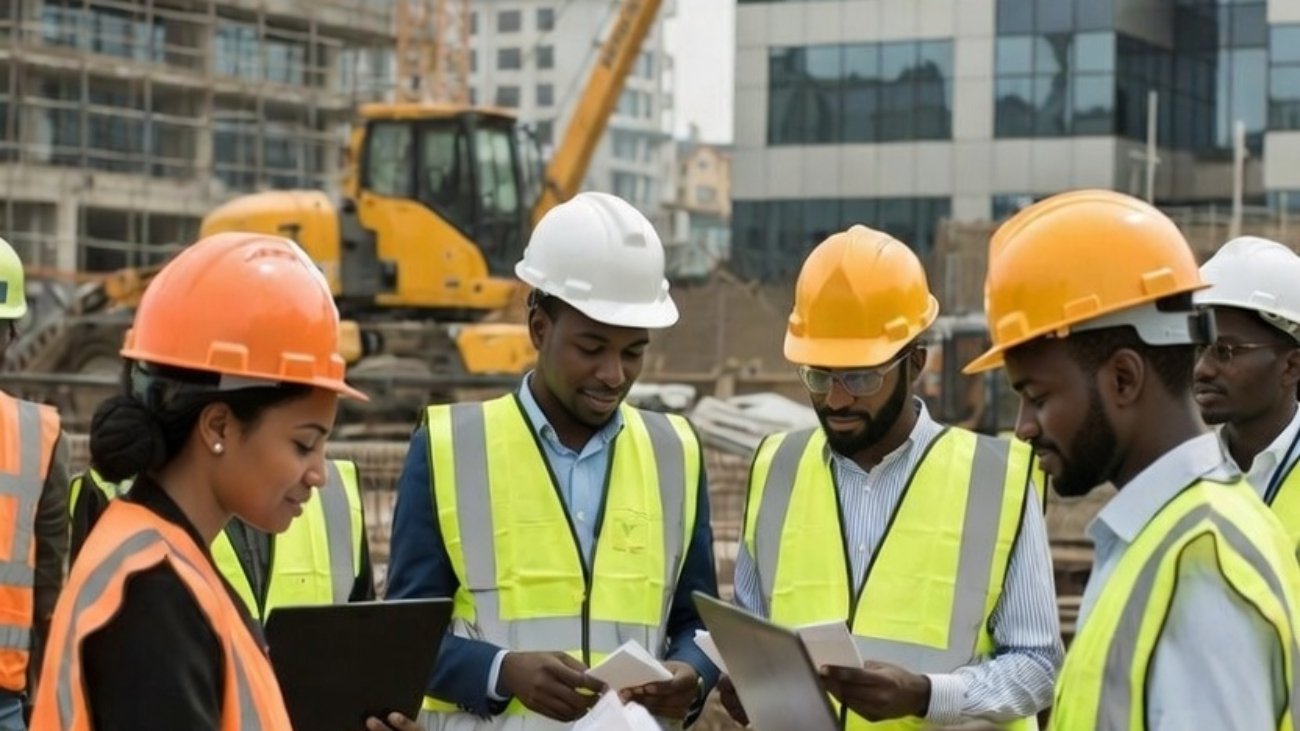
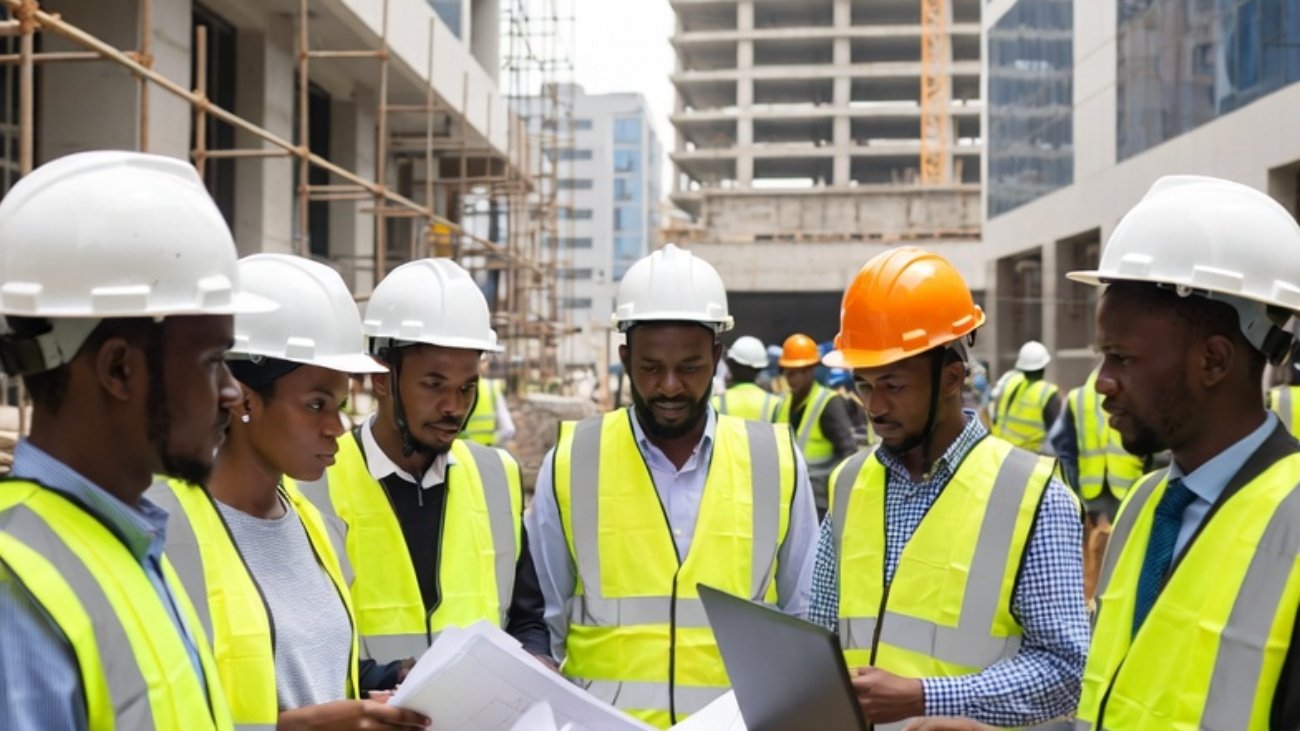
Sustainability has become a cornerstone of modern engineering. Beyond aesthetics and functionality, buildings and infrastructure must minimize environmental impact, optimize energy use, and remain durable over time. This is where sustainable engineering practices play a vital role. Engineering consultants integrate sustainable principles throughout the design and construction process. They select environmentally friendly materials, implement energy-efficient systems, and optimize designs to reduce waste and resource consumption. By doing so, projects not only meet regulatory and environmental standards but also offer long-term cost savings for clients.

Sustainable engineering also considers the broader impact of construction on communities and ecosystems. Proper water management, renewable energy solutions, and efficient building operations contribute to healthier, safer, and more resilient environments.

Moreover, adopting sustainable practices enhances a project’s reputation, aligning with global trends toward green construction. Clients benefit from structures that are safe, efficient, environmentally responsible, and future-ready.

blogimage4

The Value of Feasibility Studies in Engineering Projects

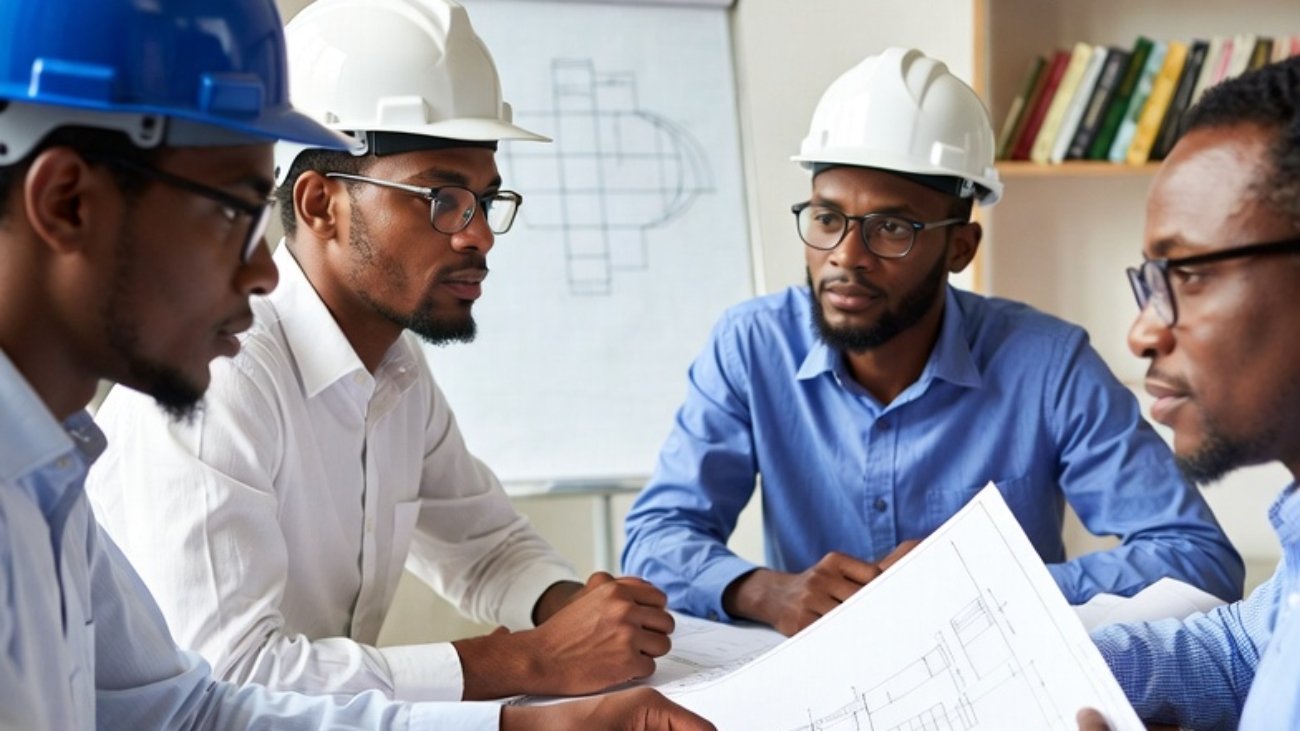
A feasibility study is one of the most important early stages of an engineering project. It helps determine whether a proposed development is technically viable, economically justified, and suitable for the selected site. By conducting this assessment early, clients can make informed decisions and reduce uncertainty. During a feasibility study, engineering consultants analyze key aspects such as site conditions, soil characteristics, access, utilities, regulatory requirements, and environmental considerations. Preliminary design options are reviewed to understand structural systems, construction methods, and potential constraints that may impact the project.

Feasibility studies also include initial cost estimates and project scheduling considerations. This allows clients to compare different design alternatives, understand budget requirements, and assess potential risks before committing significant resources. Identifying challenges at this stage helps avoid delays, redesigns, and unexpected expenses during construction.

Overall, a well-prepared feasibility study supports strategic planning, improves project efficiency, and increases the likelihood of successful project delivery. It provides clients with clarity, confidence, and a clear roadmap for moving forward.

blogimage3

The Importance of Structural Design in Safe Buildings

Structural design is the backbone of any successful construction project. It defines how a building resists loads such as self-weight, occupancy, wind, and seismic forces while maintaining safety and functionality throughout its service life. Professional engineering consultants approach structural design through detailed analysis of site conditions, soil properties, building purpose, and applicable design codes. By carefully selecting structural systems and materials, engineers ensure that buildings perform safely under both normal use and extreme conditions.

A well-designed structure minimizes common construction and operational issues such as excessive cracking, settlement, vibration, and long-term deterioration. Early involvement of structural consultants also helps identify potential risks and design challenges before construction begins, reducing costly modifications later.

Beyond safety, effective structural design improves construction efficiency and cost control. Optimized member sizing, clear detailing, and constructible solutions lead to reduced material waste, faster construction, and improved overall project quality. Ultimately, sound structural design delivers long-term value, durability, and confidence for building owners and users.

blogimage2

Why Site Supervision Is Critical for Construction Quality

Site supervision is one of the most important aspects of a successful construction project. Even the best design can fail if it is not implemented correctly on site. Engineering consultants provide professional site supervision to ensure that construction activities comply with approved drawings, technical specifications, and safety regulations. This includes monitoring workmanship quality, material usage, and construction methods.

Regular site inspections help identify issues early, reducing rework, delays, and unnecessary costs. Supervisors also act as a communication bridge between contractors, clients, and designers, ensuring that decisions are made quickly and correctly.

Through proper supervision, projects achieve higher quality, improved safety, and better overall performance.

blog_pic_1

Beyond the Blueprint: Why Engineering Consultancy is a Strategic Business Investment.

In many industries, “engineering” is often viewed as a line item—a set of technical tasks required to get a project off the ground. However, in the modern landscape of complex regulations and volatile material costs, the true value of an engineering consultant isn’t just in the drawings they produce; it’s in the strategic foresight they provide.

1. Mitigating Risk Before It Becomes Reality

The most expensive mistakes are the ones made on paper but discovered in the field. An expert consultant identifies structural, environmental, or systemic bottlenecks during the feasibility stage. By the time the first shovel hits the ground, we’ve already solved the problems that would have caused a six-week delay three months down the line.

2. Cost Optimization Through “Value Engineering”

Value engineering isn’t about cutting corners; it’s about maximizing function while minimizing cost. Whether it’s suggesting an alternative material that offers better thermal performance or redesigning a system to reduce energy consumption, a consultant ensures that every dollar spent contributes to the project’s longevity and efficiency.

3. Using Modern Tech for Better Results

We don’t just use paper and pencils anymore. By using 3D modeling and smart data, we can show you exactly how your project will look and perform before it’s even built. This takes the guesswork out of the process and gives you total peace of mind.

blogimage1

The Role of Engineering Consultants in Modern Construction

Modern construction projects demand more than just building skills — they require technical precision, regulatory knowledge, and coordinated planning. This is where engineering consultants become essential. Engineering consultants support projects from early planning through construction by evaluating site conditions, developing technical designs, and ensuring compliance with applicable standards and regulations. Their involvement helps prevent design errors, construction delays, and unexpected costs.

By optimizing structural systems, material usage, and construction methods, consultants help clients achieve cost-effective and durable solutions without compromising safety. They also coordinate between architects, contractors, and authorities to ensure smooth project execution.

In addition, professional engineering consultancy contributes to sustainability by promoting efficient designs and long-term performance, resulting in buildings that are safer, easier to maintain, and more resilient over time.